
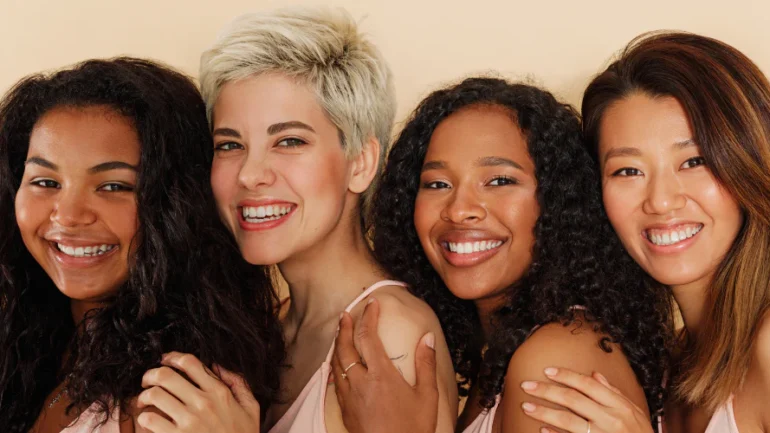
I’ve been thinking a lot about how companies approach personal branding through appearance — particularly the subtle but impactful role color plays when it comes to outfits. Over my 15 years leading teams and consulting on executive presence, I’ve seen firsthand how matching your outfit to your skin tone can elevate confidence and professional image. The reality is, what works on paper or theory rarely translates unless you consider the nuances of personal complexion, lighting in your environment, and even how your audience perceives color. Below are some hard-won tips that go beyond the basics and reflect real-world experience.
Understand Your Skin Tone Category
The starting point is always accurately identifying your skin tone. Most people fall into cool, warm, or neutral categories, but that classification isn’t always straightforward. I once worked with a senior executive who was misled by generalized guides and ended up with colors that dulled their natural look. From a practical standpoint, cool tones often have blue or pink undertones, warm tones show yellow or golden hues, and neutrals sit somewhere in between. Knowing this isn’t just an academic exercise; it informs everything from fabric selection to accessory choices. If you want a great resource on personal branding and style, Washington PR Daily offers insightful advice on leveraging appearance to boost professional perception.
Choose Colors That Enhance, Not Overwhelm
Back in 2018, bright jewel tones were all the rage, but my experience taught me that a powerful look depends less on what’s trendy and more on what complements your natural coloring. For example, I’ve seen warm skin tones thrive in earth tones like burnt orange or olive green, while cool skin tones shine in sapphire or amethyst shades. The data tells us that poorly chosen colors can make professionals look tired or washed out, leading to an unintentional loss of gravitas. Michigan PR Diary recently featured how nuanced color choices in your wardrobe can be a silent but significant factor in establishing authority during business meetings.
Balance Neutrals with Strategic Pops of Color
The 80/20 rule applies well here: 80% neutral basics matched with 20% accent colors tailored to your tone. I know from experience that neutral palettes provide a professional foundation, but adding a splash of color aligned with your skin can shift perceptions. A neutral blazer with a pop of emerald or coral can convey energy without appearing unprofessional. It’s been a game-changer in scenarios where people want to be memorable yet credible. For those interested in how professional image intertwines with personal style, Services Insider offers valuable insights into curating a balanced wardrobe that speaks volumes about your persona.
Consider Lighting and Environment
The setting where you’ll wear your outfit dramatically alters how colors appear. I’ve seen smart leaders change their outfit choices after realizing that office LEDs or natural sunlight altered the impact of their wardrobe colors. What looks stunning in daylight might look flat in a conference room. This practical awareness often separates the well-prepared from the unprepared in business settings. Insurancelawyersindex.us recently highlighted the importance of environment-aware clothing choices, especially for on-camera appearances and virtual meetings where lighting plays a huge role in perception.
Test and Iterate Your Palette Over Time
Guessing and hoping that your chosen colors suit you is a recipe for frustration. The reality is that testing outfits in different lights and getting trusted feedback is essential. I’ve frequently worked with clients who refined their color palettes after months of trial and error, learning which shades boosted their presence versus which undermined it. This iterative approach aligns with how companies run product tests or market pilots — it’s about adapting and refining. This approach is what separates an informed wardrobe strategy from guesswork, and I recommend it to anyone serious about mastering their professional image.
Conclusion: Real-World Wisdom on Matching Outfits with Skin Tone
Look, the bottom line is, matching your outfit to your skin tone is both an art and a science. What I’ve learned is that it takes more than just knowing your undertone — it requires a practical understanding of how colors interact with lighting, environment, and your personal style. Business situations demand authenticity and confidence, and your outfit plays a silent yet powerful role in conveying that. The key is to approach your wardrobe with curiosity, test what works in the real world, and tweak your choices strategically. That’s the kind of practical wisdom MBA programs don’t teach you but seasoned professionals understand deeply.
FAQs About Matching Outfits with Skin Tone
How do I determine my skin tone accurately?
Look at your veins in natural light: bluish veins usually mean cool tones, greenish veins suggest warm tones, and a mix often indicates neutral tones.
Can I wear any color if I pair it correctly?
You can experiment, but colors matching your skin tone naturally boost your appearance more convincingly than forced combinations.
What colors should I avoid with warm skin tones?
Avoid overly cool colors like icy blues or greys, which can wash out warm complexions and lower your professional appeal.
How important is fabric texture with skin tone?
Very important. Matte fabrics absorb color, while shiny textures reflect light, impacting how colors complement your skin in different environments.
Should I change my palette for different seasons or moods?
Testing seasonal adjustments or mood-based variations can add freshness, but sticking to your core color palette builds consistency and confidence.