
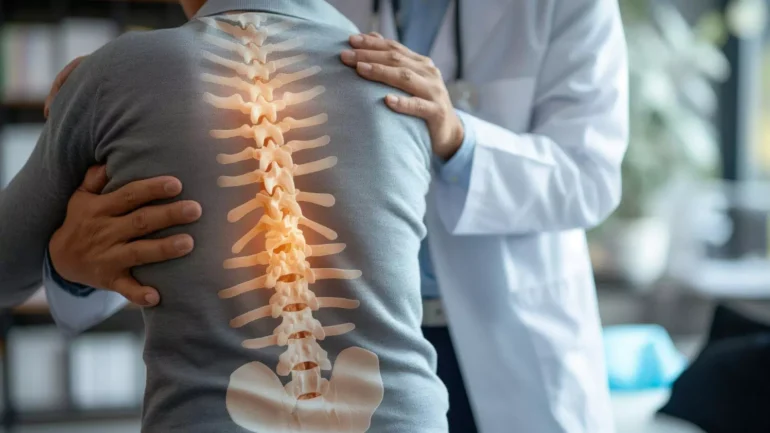
As we grow older, our bodies naturally go through changes, and the spine is no exception. The spine supports your posture, protects the spinal cord, and allows movement. Over time, age-related wear and tear can affect its structure and function, often leading to stiffness, discomfort, or chronic pain. Understanding how aging impacts your spine and what medical specialists can do to help is key to maintaining long-term mobility and comfort.
Common Age-Related Changes in the Spine
One of the most common changes is disc degeneration. Spinal discs protect the joints between the vertebrae and take the impact of movement. These discs dry out and become less flexible as we age. This can reduce their ability to absorb impact, causing discomfort or limited mobility. Degenerated discs may also lead to conditions such as herniated discs or spinal stenosis.
Another frequent issue is arthritis. Osteoarthritis affects the joints of the spine, leading to inflammation, stiffness, and pain. Bone spurs may form, which can narrow the spaces where nerves travel, resulting in nerve compression. This often causes symptoms like tingling, numbness, or shooting pain down the arms or legs.
Loss of bone density is another concern, especially for older adults. Conditions like osteoporosis weaken bones, making them more prone to fractures. Compression fractures in the spine can cause sudden pain, reduced height, and a stooped posture.
How Posture and Muscle Strength Change
Muscle mass and power also change as people age. When your core and back muscles are weak, they don’t support your spine as well, which makes you more likely to get hurt. More and more people have bad posture, which can cause their shoulders to round and their heads to move forward. Over time, these changes in position put more stress on the spinal structures, making pain worse and making it harder to move.
Symptoms That Should Not Be Ignored
While mild stiffness can be normal, persistent pain is not something to ignore. Warning signs include severe back pain that does not improve with rest, pain that radiates to the legs, difficulty walking, weakness, or loss of bladder control. These symptoms may signal nerve compression or other serious spinal conditions that require professional care.
What Specialists Do to Help
Spine specialists play a crucial role in diagnosing and treating age-related spinal conditions. When you visit a specialist, they begin with a detailed medical history and physical examination. Imaging tests, like X-rays, MRIs, and CT scans, help find problems with the structure and nerves.
Treatment usually starts with conservative options. A lot of the time, physical therapy is suggested to help people maintain good balance, strengthen their muscles, and become more flexible. Therapists guide patients through targeted exercises that reduce pain and prevent further damage.
Medication may also be used to manage inflammation and discomfort. Non-steroidal anti-inflammatory drugs or muscle relaxants can provide short-term relief. In some cases, corticosteroid injections are used to reduce nerve irritation and swelling.
For patients who do not improve with non-surgical treatments, minimally invasive procedures may be considered. These techniques target the affected area with small incisions, leading to faster recovery and less post-procedure pain. Surgery is usually the last option, but it can be very helpful when nerves are severely pinched or the spine isn’t stable.
Finding the Right Care
If you are searching for a back specialist near me, it is important to choose a provider experienced in age-related spinal conditions. A trained expert can make a treatment plan for you that is unique and takes into account your symptoms, way of life, and overall health.
Tips for Maintaining a Healthy Spine as You Age
Staying active is one of the best ways to protect your spine. Low-impact exercises like walking, swimming, and stretching keep muscles strong and joints flexible. Keeping a healthy weight takes stress off the spine, and good balance helps keep it in the right place. Adequate calcium and vitamin D intake also helps maintain bone strength.
Conclusion
Aging affects the spine in many ways, from disc degeneration to muscle weakness. While these changes are natural, they do not have to limit your quality of life. With early diagnosis and expert care, spine specialists can help manage symptoms and improve mobility. Your spine will stay strong and work well for years to come if you take care of it and get professional help when you need it.