
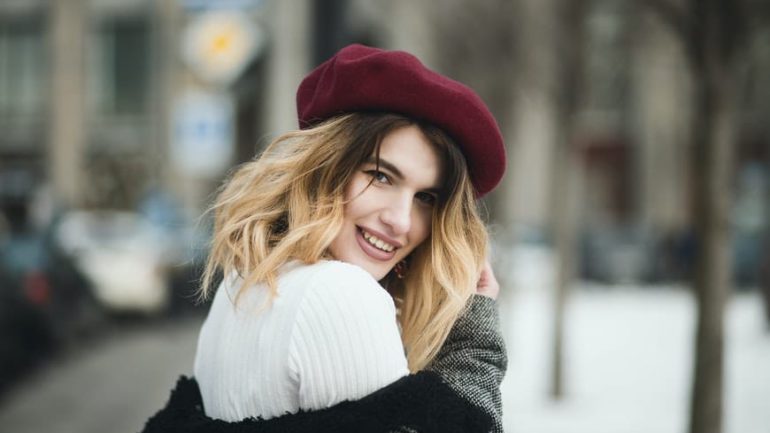
From my 15 years guiding creative teams on image branding, I’ve realized there’s a surprising gap between what looks good in everyday life and what works in front of the camera. The truth is, styling outfits for photoshoots is a nuanced challenge that blends art and strategy. You can’t just throw on your favorite outfit and hope for the best. The lighting, background, and even posture change how colors and fabrics read on screen. Here’s what I’ve learned through trial, error, and some costly flops—strategic tips that truly make a difference when preparing for your next photoshoot.
Understanding these basic principles will save you frustration and wasted shoots. This isn’t theoretical fluff; these are hard lessons from projects where image authenticity directly impacted brand success.
Choosing Colors That Speak on Camera
In my experience, color selection is a crucial foundational step. The reality is that some shades translate strangely on camera due to lighting and sensor sensitivity. For example, pure white often washes out detail, while overly bright reds or blues can bleed in photos. What works better are mid-tone colors or soft neutrals that balance well with most backgrounds and skin tones. Avoid busy prints, which can distract from the subject’s face. I once worked with a client who wore a patterned blouse that ended up clashing against a detailed backdrop—ruined shots. Instead, focusing on textures and layering with solid colors enhances depth without overwhelming the image.
The importance of this step can’t be overstated—proper color choices improve visual harmony and make retouching easier. For insights on selecting perfect wardrobe elements, [this guide on style coordination](Link 2) is a smart resource.
Fitting and Tailoring for Flattering Silhouettes
The 80/20 rule applies heavily here: 80% of your photoshoot success hinges on fit. Ill-fitting clothes are obvious on camera, no matter how trendy they are. We tried a one-size-fits-all approach once and it backfired because the clothes didn’t flatter different body shapes. Tailoring or at least choosing pieces that contour properly ensures the subject looks polished and confident. From a practical standpoint, fabric weight and stretch factor also impact how garments hold their shape.
A well-tailored jacket or dress can elevate the entire frame, especially in professional headshots or product-related shoots where image precision matters. This attention to detail communicates professionalism and preparedness—non-negotiable for credible branding.
Balancing Accessories Without Overpowering
Accessories are a double-edged sword. On a shoot several years ago, a client’s oversized jewelry distracted from the expression I was trying to capture. The reality is, accessories should complement your outfit, not steal focus. The lesson I share with teams is to pick subtle, signature pieces that add character without clutter. Watches, small earrings, or a tasteful scarf can enhance personality but stay consistent with the shoot’s theme or mood.
Keep in mind, reflections and shine from metals or stones can throw off lighting setups unless accounted for. An overlooked tip is to liaise closely with the photographer about accessory size and materials to avoid surprises on set.
Mixing Textures and Patterns with Purpose
MBA programs teach patterns create interest, but here’s what works in real shoots: patterns can make or break your look depending on scale and contrast. I’ve seen busy patterns cause moiré effects or visual noise that ruin digital sharpness. Instead, subtle texture layering—like combining denim, wool, and silk—adds richness without competing visually. The data tells us that successful shoots lean toward either a strong solid or well-thought-out pattern pairing.
When dealing with mixed textures, coordinate coloraturas and fabric weights to maintain balance. This nuanced approach elevates an outfit from basic to compelling, making the subject visually dynamic on camera.
Incorporate Practical Comfort and Mobility
The last war story: a shoot got delayed because the client was uncomfortable and had trouble moving in their outfit. From experience, comfort is more than a nice-to-have; it directly impacts confidence, posture, and how natural someone looks in their photos. Restrictive clothing or shoes can cause subtle tension that a trained eye spots immediately.
Practical wisdom says integrate mobility-friendly pieces especially during lifestyle or active photoshoots. Soft, breathable fabrics and proper shoe selection improve endurance and pose variety, which means you get more usable shots and a better return on your investment.
Conclusion
Look, the bottom line is that styling for photoshoots is less about dressing up and more about strategic preparation. What I’ve learned is that the best looks emerge when you consider the unique requirements of visual storytelling. This is about fitting your brand’s identity in a frame, not just putting on something nice. Use these tips to avoid common pitfalls and create outfits that enhance your presence undistracted, authentic, and powerful. Remember, a successful shoot reflects meticulous choices honed by real-world experience, not theory.
If you want to dive deeper into mastering your photoshoot styling, check out [this expert photoshoot wardrobe advice](Link 4), which offers additional insights that complement these strategies.
Frequently Asked Questions About Styling Outfits for Photoshoots
What colors should I avoid wearing for photoshoots?
Avoid extremely bright or pure white shades which can wash out or cause glare on camera. Busy prints are a no-go as they distract from the subject’s face. Mid-tone, soft neutrals, and balanced colors work best.
How important is tailoring for photoshoot outfits?
Tailoring is critical; 80% of outfit success hinges on fit. Well-fitted clothes contour flattering silhouettes and communicate professionalism. Ill-fitting clothes stand out negatively.
Can accessories improve or ruin a photoshoot look?
Accessories can enhance or distract. Choose subtle, signature pieces aligned with the shoot’s tone. Avoid large, shiny jewelry that reflects light and steals focus.
Should I mix patterns and textures in my photoshoot outfit?
Yes, but with care. Busy patterns cause visual noise and distort digital clarity. Mix textures thoughtfully—combine fabrics like wool and silk for depth without overwhelming the frame.
How does comfort impact photoshoot results?
Comfort is vital as it boosts confidence and natural posture. Restrictive outfits cause tension visible on camera; practical, breathable fabrics and flexible shoes enable better posing and longer shoots.