
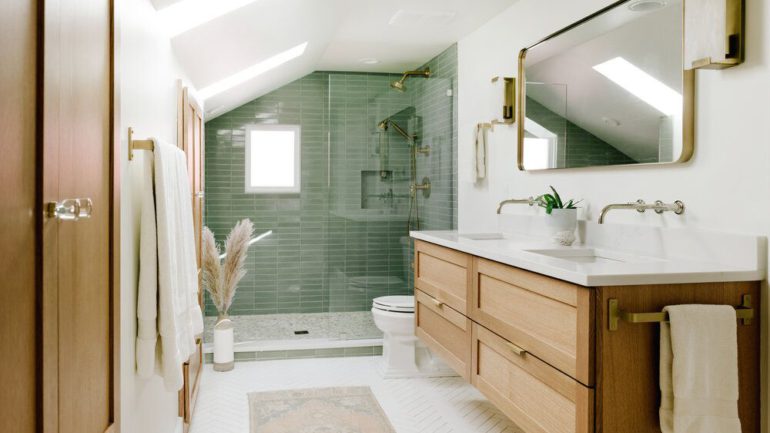
A compact bathroom can feel frustrating when storage is weak, lighting is poor, or several people need the room during the same hour. The most effective small bathroom updates improve movement, visibility, moisture control, and access before focusing on decoration.
Many homeowners assume a larger room is required. In practice, a better vanity, brighter mirror area, improved storage, and a more suitable door can change how the bathroom functions without moving walls.
Start by observing the room during busy routines. Notice where towels land, which cabinet doors block movement, how often the counter becomes crowded, and whether the shower area stays damp. Those details reveal where money will create the strongest result.
Homeowners may use regional property improvement listings to understand the types of trades connected with bathroom work before comparing qualified local providers. Plumbing, electrical work, ventilation, waterproofing, carpentry, and tile installation may all require different skills.
A modern bathroom should feel easy to use, simple to clean, and comfortable for different ages. Good planning makes a compact room feel more open because every feature supports movement instead of fighting it.
Small Bathroom Updates That Improve Daily Use
The first changes should solve repeated problems. A beautiful finish cannot correct a door that blocks the sink or a vanity that leaves no room to stand comfortably.
Improve The Layout Before Changing Finishes
Measure the clear floor area between the toilet, vanity, shower, tub, and door. Notice where doors and drawers overlap.
A vanity with deep doors may create more conflict than storage. Drawers often improve access because contents become visible without kneeling or reaching into dark corners.
Wall-mounted vanities can expose more floor and make cleaning easier. The room may appear more open because the flooring continues beneath the cabinet. Storage capacity needs careful review before choosing this style.
Changing the bathroom door can also help. A door that swings into a narrow room may block fixtures or reduce movement. An outward swing or properly installed sliding option may improve the layout, depending on building conditions and local requirements.
A homeowner might replace a wide cabinet vanity with a slightly narrower drawer unit. Losing a few inches of cabinet width can create a more comfortable walkway while improving storage access.
The surprising lesson is that smaller fixtures can make the room more useful without feeling cheaper. Proportion matters more than maximum size.
Create Better Storage Near The Point Of Use
Storage works best when it sits near the task it supports. Towels belong close to the shower. Grooming products should remain near the mirror. Cleaning supplies need a secure area that does not interfere with daily items.
A recessed medicine cabinet can add storage without extending far into the room. Installation may require checking wall framing, plumbing, and wiring.
Open shelves above the toilet can hold folded towels or decorative items, but too many products create visual clutter. Closed cabinets keep mixed supplies calmer.
Use drawer dividers for small grooming items. Tall containers can hold brushes, while shallow trays organize daily products.
A home service category directory may help homeowners identify the types of local specialists needed for cabinet, mirror, or carpentry work. Each provider should still be checked separately.
Do not place storage in every empty space. Leaving part of a wall clear can make a compact bathroom feel calmer and reduce surfaces that require cleaning.
Improve Lighting And Visual Space
A bathroom can feel smaller when lighting is uneven or surfaces create strong visual breaks. Better light often changes the room more than a decorative feature.
Layer Light Around The Mirror
One ceiling fixture creates shadows on the face. Add light near the mirror for grooming and general comfort.
Fixtures placed beside the mirror can provide balanced illumination. A light above the mirror may also work when width is limited, provided it spreads light evenly.
Choose bulbs with a comfortable appearance and enough brightness for the room. Matching bulb tones prevent the bathroom from feeling patchy.
Natural light should remain private without becoming blocked. Frosted glass, suitable window coverings, or privacy films may allow daylight while protecting the room.
A small bathroom with a dim central fixture may feel larger after adding mirror lighting and a brighter ceiling light. No walls change, yet visibility improves across the entire room.
The less obvious benefit is easier cleaning. Good lighting reveals water spots, dust, and moisture before buildup becomes harder to manage.
Use Surfaces That Reduce Visual Clutter
Large mirrors reflect light and extend sightlines. A mirror close to the vanity width usually feels more connected than a small decorative mirror floating above it.
Keep permanent surfaces coordinated. Too many strong patterns can divide a compact room into smaller visual sections.
This does not mean every surface needs the same color. Contrast can add character when it appears in controlled areas such as hardware, a vanity, or one section of tile.
Larger-format wall tile can reduce the number of grout lines, though installation quality and room conditions matter. Floor tile still needs suitable slip resistance.
A regional trade and design directory may help owners review categories connected with lighting, flooring, tile, or interior work before gathering local estimates.
Do not choose pale colors only because the room is small. A deeper vanity or wall section can add depth when lighting remains strong.
Control Moisture And Improve Comfort
Bathrooms must handle water and changing humidity. Moisture problems can damage finishes, create odors, and affect nearby rooms.
Improve Ventilation Before Cosmetic Work
A working exhaust fan helps remove humid air. The fan should vent outdoors rather than into an attic or enclosed space.
Listen for unusual noise and check whether the room remains damp long after bathing. A weak or poorly placed fan may not handle the room effectively.
Homeowners should also examine peeling paint, darkened caulk, soft trim, or recurring condensation. These signs deserve attention before new finishes are installed.
A timer switch can encourage the fan to continue running after the room is empty. Some systems include humidity sensing, though suitability depends on the project.
The counterintuitive point is that a quieter fan may improve performance because people are more likely to use it. Comfort affects habits.
Choose Materials That Support Easy Cleaning
Bathrooms need surfaces that tolerate moisture and regular cleaning. Decorative choices should not create constant maintenance.
Select paint designed for bathroom conditions. Use suitable sealants around wet areas and repair failing caulk before water reaches hidden surfaces.
Grout color affects appearance and upkeep. Bright white grout can look fresh but may show staining sooner in high-use areas. A softer tone may be easier to maintain.
Floating shelves and detailed trim can collect dust. Limit decorative ledges in rooms where cleaning time matters.
A family bathroom may benefit from wall hooks instead of towel bars. Hooks are faster for children to use and require less wall width.
Small comfort changes also matter. A warmer light near the mirror, a hand shower, better towel placement, or improved floor warmth can affect daily use without changing the room size.
Update Fixtures Without Creating New Problems
Fixture replacement can improve water use, storage, comfort, and appearance. Measurements and compatibility deserve attention before purchases are made.
Select A Vanity That Fits The Room
Measure wall width, door movement, plumbing location, floor space, and clearance around nearby fixtures.
A furniture-style vanity may look attractive but include less internal room because of legs, drawers, or decorative framing. Review actual storage rather than exterior width alone.
Drawers often make small items easier to reach. Check how plumbing affects upper drawers and whether the design includes useful interior divisions.
Counter space matters when several people use the room. A slightly wider surface may be more useful than a second sink.
Homeowners comparing service categories may browse local household improvement listings before choosing qualified local providers for installation.
A vanity should support movement first. If a larger cabinet makes the room difficult to enter or clean, it is not a practical upgrade.
Update The Shower With Function In Mind
A fixed showerhead may be enough for one user, while a hand shower adds flexibility for children, pets, cleaning, and people with limited movement.
Built-in niches can hold products without adding hanging organizers. Their placement and waterproofing require careful planning.
Clear shower glass may extend sightlines, but it also shows water spots. Textured or partially frosted options provide more privacy and may reduce visible marks.
A shower curtain remains useful in many compact bathrooms. It requires less opening space than some doors and can be changed easily.
Storage inside the shower should fit actual products. Tiny niches may look neat yet fail to hold larger bottles.
Conclusion
A compact bathroom becomes more comfortable when each update solves a clear problem. Better lighting, accessible storage, stronger ventilation, suitable fixtures, and easier movement often create more value than decorative changes alone.
Well-planned small bathroom updates focus on how the room behaves during busy routines. A narrower vanity, improved mirror lighting, better towel placement, or a quieter exhaust fan may change daily use without expanding the floor plan.
Choose materials that tolerate moisture and simplify cleaning. Measure carefully before buying fixtures, and protect clear space around doors, drawers, and plumbing features.
Do not fill every wall because the room is small. A little open space can make the bathroom feel calmer and easier to maintain. Begin with the issue that causes the most frustration, correct it carefully, and allow the room’s function to guide every finish that follows.
Frequently Asked Questions
What is the most affordable way to improve a small bathroom?
Start with lighting, paint, hardware, storage organization, new caulk, and better towel placement. These changes can improve appearance and use without moving plumbing.
Can a larger mirror make a compact bathroom feel more open?
Yes. A mirror closer to the vanity width can reflect more light and extend sightlines. Good surrounding lighting strengthens the effect.
Is a floating vanity suitable for a family bathroom?
It can work well when storage remains adequate. The open floor area may improve cleaning and visual space, but cabinet capacity should be checked carefully.
Should a small bathroom have a dark color?
A darker vanity or controlled wall area can add depth. Strong lighting and balanced surfaces matter more than using pale colors everywhere.
How can bathroom storage be added without crowding the room?
Use recessed cabinets, drawers, narrow wall storage, and hooks near the point of use. Avoid covering every open wall with shelves.
Why does a bathroom stay damp after showering?
Weak ventilation, a poorly placed fan, limited airflow, or long showers may contribute. Check whether the fan operates properly and vents outdoors.
Are shower curtains practical in modern bathrooms?
Yes. They require little opening space, provide easy access, and can be replaced without major work. A suitable liner helps control water.
Which bathroom upgrade helps families most during busy mornings?
Better storage and mirror access often reduce delays. Separate drawers, clear grooming zones, and balanced lighting can allow routines to move faster.