
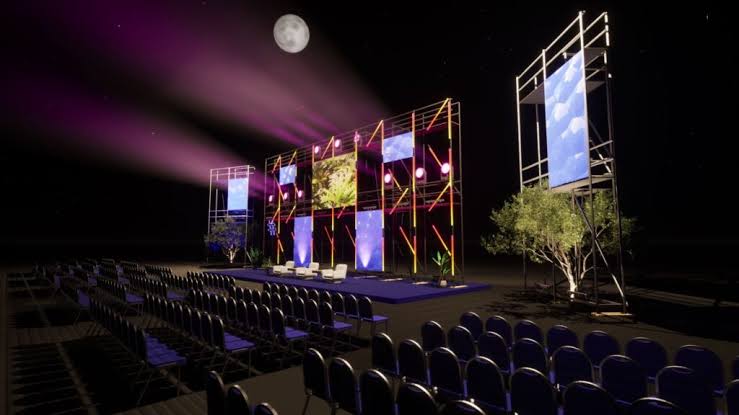
Corporate events have evolved beyond traditional presentations, basic podiums, and simple backdrops. Today, businesses use conferences, product launches, annual meetings, and networking events to communicate their identity and create meaningful experiences for attendees. Stage design plays an important role in shaping these experiences. A thoughtfully designed stage can capture attention, strengthen brand messaging, and encourage audience participation. By combining creativity with modern technology, businesses can transform ordinary corporate gatherings into memorable events that leave a lasting impression.
Creating an Immersive Stage Environment
An engaging corporate stage should offer more than an attractive background. It should create an environment that connects attendees with the event’s purpose. Immersive stage designs use lighting, digital displays, architectural elements, and visual storytelling to establish a distinctive atmosphere.
Working with an experienced event production company can help businesses develop stage concepts that balance visual creativity with technical functionality. Professional production teams understand how to coordinate lighting, sound, screens, and staging elements to create a cohesive experience. This approach ensures that the stage supports presentations while maintaining audience interest throughout the event.
Using LED Video Walls for Dynamic Visual Experiences
LED video walls have become a popular feature in modern corporate stage design. Unlike traditional printed backdrops, these displays allow organizers to introduce changing visuals, animated graphics, presentation content, and branded messages throughout an event.
Large LED screens can transform the stage atmosphere within seconds. For example, a product launch might begin with dramatic animations before transitioning into detailed product demonstrations. Similarly, a corporate conference can use digital backgrounds to complement different speakers and presentation topics.
Creative screen arrangements, including curved displays and multiple connected panels, can also introduce visual depth. However, screen placement should always consider audience sightlines, viewing distances, and content readability.
Incorporating Creative Lighting Techniques
Lighting influences how audiences perceive a stage and respond to presentations. Instead of relying exclusively on standard overhead lighting, event organizers can experiment with layered lighting techniques that create depth, movement, and atmosphere.
Color-changing fixtures, illuminated stage edges, and carefully positioned spotlights can highlight important moments without overwhelming attendees. Warm lighting may establish a welcoming environment during opening remarks, while brighter lighting can support energetic product demonstrations.
Lighting transitions can also signal changes between sessions. When synchronized with music and visual content, these transitions help maintain a smooth event flow while making the overall experience more engaging.
Designing Flexible and Modular Stage Layouts
Corporate events often feature multiple activities, including keynote speeches, panel discussions, interviews, and live demonstrations. A fixed stage arrangement may not accommodate every session effectively.
Modular stage designs provide flexibility by allowing organizers to adjust platforms, furniture, and presentation areas according to the program. Movable seating arrangements, interchangeable scenic panels, and adaptable presentation spaces can support different activities without requiring extensive reconstruction.
This flexibility becomes particularly valuable during conferences with busy schedules. A well-planned modular design reduces transition time and helps organizers maintain audience attention between sessions.
Bringing Brand Identity Into Stage Design
Stage design offers an opportunity to communicate a company’s personality and values. Rather than simply displaying a logo, businesses can incorporate their visual identity into the entire stage environment.
Brand colors can influence lighting choices, while geometric structures may reflect elements of the company’s logo or design language. Digital graphics, customized podiums, and branded scenic features can further reinforce recognition.
The goal is to create a recognizable environment without making the stage feel overly promotional. Subtle design choices often communicate brand identity more effectively than excessive signage.
Encouraging Audience Interaction Through Stage Design
Audience engagement becomes stronger when attendees feel involved rather than simply watching presentations. Interactive stage elements can encourage participation and create opportunities for meaningful communication.
Live polling displays, audience question sessions, and interactive presentation screens can make corporate events more collaborative. Organizers may also incorporate demonstration zones where speakers interact with products or technologies directly.
For larger events, extended stage platforms or strategically positioned presentation areas can bring speakers closer to attendees. These arrangements create a more personal atmosphere and help reduce the distance between presenters and their audience.
Exploring Three-Dimensional Scenic Elements
Physical stage structures remain valuable even as digital technology becomes more prominent. Three-dimensional scenic elements introduce texture, depth, and visual interest that flat screens cannot always provide.
Suspended geometric installations, layered panels, illuminated architectural features, and custom stage frames can create distinctive environments. Combining physical structures with projected visuals can produce particularly interesting effects.
These elements should complement the event’s message rather than distract from it. Safety, installation requirements, venue restrictions, and audience visibility must also guide design decisions.
Balancing Creativity With Practical Functionality
An impressive stage design must also support the practical requirements of a corporate event. Speaker movement, equipment placement, accessibility, camera positioning, and technical operations all influence the final layout.
Designers should consider how the stage appears from different seating areas and through livestream cameras. Clear pathways, reliable audiovisual equipment, and appropriate lighting levels are essential for smooth presentations.
Budget planning is equally important. Investing in a few impactful design features often produces better results than introducing numerous elements without a clear purpose.
Conclusion
Creative stage design can transform corporate events into engaging experiences that communicate ideas effectively and strengthen audience connections. LED displays, immersive lighting, modular layouts, interactive features, and customized scenic elements offer numerous possibilities for innovation. However, successful design requires more than visual appeal. By combining creativity with technical planning and practical functionality, businesses can create professional event environments that capture attention, support meaningful communication, and make every presentation more memorable.