
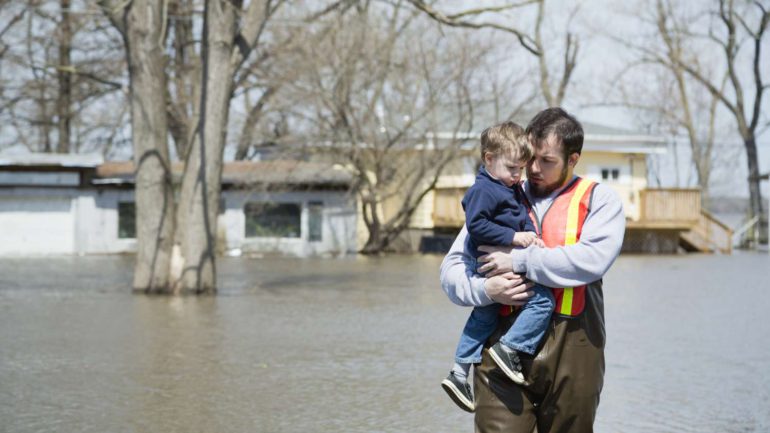
Coastal living offers access to beaches, waterways, fishing communities, tourism, and distinctive local environments. It can also bring exposure to hurricanes, storm surge, heavy rain, rising water, and drainage problems. Many homeowners assume that standard property insurance automatically includes flood damage, but coverage details can differ significantly.
Families should understand their insurance before a storm appears in the forecast. Waiting until water is approaching may leave little time to review exclusions, purchase coverage, document belongings, or correct missing information. Helpful home insurance education can encourage property owners to ask more detailed questions about local risks and financial protection.
Understand What Flood Insurance Is Designed to Cover
Flood insurance generally addresses certain types of water damage caused by flooding conditions, but policy definitions, exclusions, coverage limits, and deductibles matter.
Homeowners should not assume that every water-related event is treated the same way. Damage from rising surface water may be handled differently from damage caused by a leaking pipe, roof problem, sewer backup, or maintenance issue.
Policyholders should read the official policy documents rather than depending only on advertisements or short summaries. Important details may include coverage for the building, personal belongings, electrical systems, heating equipment, appliances, flooring, and certain structural features.
Ask the insurance representative for clear examples. Families should understand which situations may be covered and which may require separate protection.
Reading practical coastal homeowner stories may also help families identify questions that are often overlooked before major storms.
Learn Whether the Property Is in a Flood-Risk Area
Flood risk can vary within the same city or neighborhood. Elevation, distance from water, drainage systems, nearby construction, soil conditions, and storm patterns may affect exposure.
A property outside a commonly recognized high-risk zone may still experience flooding. Heavy rainfall, overwhelmed drainage systems, changing development, and unusual weather events can affect areas that have not flooded recently.
Home buyers should ask about previous water damage, drainage problems, elevation information, and insurance history. A professional home inspection may reveal signs of moisture or previous repairs, although no inspection can predict every future event.
Current homeowners should observe how water moves around the property during heavy rain. Standing water near the foundation, blocked drainage, and repeated yard flooding may deserve professional attention.
Useful property risk information can help families think beyond simple distance from the coastline when evaluating flood exposure.
Compare Building and Contents Coverage
Building coverage and personal property coverage may be separated within a flood insurance policy. Families should understand what each section includes.
Building protection may apply to certain structural parts of the home and permanently installed systems. Contents protection may apply to eligible personal belongings.
Coverage limits may not equal the total cost of rebuilding or replacing everything. Homeowners should compare policy amounts with the value of the property and possessions.
Deductibles are also important. A lower premium may come with a higher deductible, which increases the amount the policyholder may need to pay after a covered loss.
Ask whether special limits apply to valuable items, lower-level areas, detached structures, temporary housing, or certain property categories. Never assume coverage based on another homeowner’s experience because policies and circumstances may differ.
Ask About Waiting Periods
Flood coverage may not become active immediately after purchase. Waiting periods and exceptions can vary by program, provider, or situation.
This is one reason coastal families should review insurance before hurricane season. Purchasing coverage only after a major storm receives widespread attention may not provide immediate protection.
Home buyers should ask when coverage begins and how property closing dates affect the policy. Current homeowners should verify renewal dates and avoid accidental lapses.
Keep copies of policy documents, payment records, renewal notices, and insurance contact information in both physical and protected digital formats.
Broader financial preparedness guidance may help households include insurance costs within long-term emergency planning.
Create a Detailed Home Inventory
A home inventory records personal belongings and may make insurance discussions easier after a loss.
Walk through each room and photograph furniture, appliances, electronics, tools, clothing, household equipment, and other valuable property. Record model numbers, serial numbers, purchase dates, and estimated values when available.
Store receipts for expensive items. Digital copies may be safer than keeping all records inside the home.
Update the inventory after major purchases or renovations. A list created many years ago may no longer reflect the household’s current property.
Do not store the only copy in a basement or another flood-prone location. Use secure off-site or digital storage according to personal privacy preferences.
Reduce Flood Damage Before a Storm
Insurance provides financial protection, but homeowners should also reduce avoidable property risks.
Clean gutters and drainage systems. Direct water away from the foundation when appropriate. Repair known leaks and address grading problems with qualified professionals.
Move important documents, electronics, photographs, medications, and valuable belongings above expected water levels when a flood threat develops.
Avoid storing irreplaceable items in low areas. Basements, garages, crawlspaces, and ground-level storage rooms may face greater exposure depending on the property.
Electrical, plumbing, structural, and elevation work should be completed by qualified professionals. Local building rules may affect approved improvements.
Know What to Do After Flood Damage
Safety comes first. Do not enter a flooded building until authorities or qualified professionals indicate that conditions are safe.
Floodwater may contain contaminants, sharp debris, electrical hazards, and hidden structural damage. Keep children and pets away.
Contact the insurance provider as soon as practical. Ask about documentation requirements, approved emergency repairs, inspection procedures, and claim deadlines.
Take photographs and videos before removing damaged property when it is safe. Keep written records of conversations, expenses, repairs, temporary lodging, and professional services.
Avoid making permanent repairs before understanding insurance requirements. Emergency actions may be necessary to prevent additional damage, but policyholders should document the condition carefully.
Review Coverage Every Year
Property values, repair costs, household belongings, local risks, and insurance options can change. Coastal families should review coverage at least once a year and after major renovations or expensive purchases.
Ask whether current limits remain appropriate. Confirm contact information, mortgage details, property information, deductibles, and renewal dates.
Flood insurance should be part of a larger preparedness plan that includes emergency supplies, evacuation routes, property maintenance, and family communication.
Understanding a policy before flooding occurs gives homeowners time to compare options and correct gaps. Coastal families cannot control storms, but they can make informed decisions that reduce uncertainty and support financial recovery after a damaging event.