
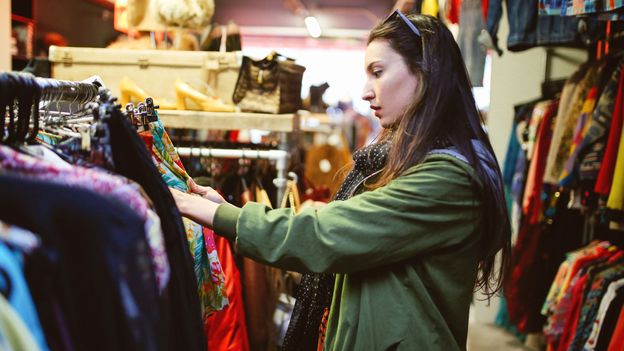
Buying clothes can provide a quick burst of excitement, especially when an item is discounted, trending, or attractively displayed. The excitement often disappears once the garment enters the wardrobe and becomes difficult to style.
Unworn clothing takes up space, wastes money, and makes outfit decisions harder. Stopping this pattern requires more than promising to shop less. You need to understand why poor purchases happen and create practical rules that interrupt them.
Identify Your Shopping Triggers
People shop for many reasons besides needing clothes. Boredom, stress, social pressure, sales notifications, and the desire for a fresh start can all encourage unnecessary purchases.
Review your recent clothing purchases and ask what was happening when you bought them. Were you preparing for an event, responding to an advertisement, feeling unhappy with your wardrobe, or rewarding yourself after a difficult week?
Recognizing emotional patterns does not mean you can never enjoy shopping. It simply helps you separate recreation from genuine need.
Building better stress-aware spending decisions can prevent temporary emotions from creating long-term wardrobe clutter.
Complete a Closet Inventory
You cannot shop strategically without knowing what you own. Organize your wardrobe by category and count similar items.
You may discover that you own twelve black tops, several nearly identical pairs of jeans, or multiple occasion dresses. These patterns are easy to miss when clothing is crowded together.
Write down genuine gaps. Perhaps you need comfortable work shoes, a raincoat, or tops that coordinate with your skirts.
A visible inventory makes it harder to convince yourself that another duplicate is necessary.
Understand Your Fantasy Self
Many unworn purchases belong to a fantasy version of the buyer. These may include formal outfits for events that rarely occur, uncomfortable shoes for an imagined social life, or dramatic clothing that does not match the person’s actual taste.
There is nothing wrong with changing your style. The problem appears when you repeatedly purchase clothing for activities you do not do.
Before buying, ask where you will wear the item within the next month. Name the exact type of occasion rather than saying “someday.”
If you cannot identify a realistic setting, leave it behind.
Define Your Real Personal Style
Unworn clothing often results from confusing admiration with suitability. You can appreciate an outfit on someone else without needing to own it.
Study the garments you wear most frequently. Notice their colors, fabrics, fits, necklines, and levels of formality.
Your real style is visible in your repeated choices. It may differ from the images you save online, and that is completely normal.
Using practical wardrobe style advice can help you translate inspiration into clothing that suits your daily routine.
Create a Strict Shopping List
Keep a wardrobe list on your phone. Include specific items, preferred colors, and any fit requirements.
Instead of writing “new trousers,” write “navy straight-leg trousers suitable for work.” Specific descriptions reduce the chance of settling for an item that does not solve the original problem.
Do not treat the list as a command to buy everything immediately. It is a filter that keeps your attention focused when you browse.
Apply the Three-Outfit Rule
Before purchasing a garment, create at least three complete outfits using items you already own. Include shoes and outerwear when possible.
If the item works with only one specific combination, it may not be versatile enough. Special-event clothing can be an exception, but everyday purchases should earn their wardrobe space.
Take photographs of the three possible outfits or write them in your phone. This forces you to move beyond vague statements such as “I can probably style it.”
Avoid Buying the Wrong Size
Many people buy clothing that is slightly too small because they expect their body to change. Others purchase oversized garments intending to have them altered but never visit a tailor.
Buy clothing that fits your current body. A garment should not function as a demand, punishment, or future reward.
Sizing varies between brands, so try several sizes and focus on fit rather than the number printed on the label.
If tailoring is required, calculate the cost and arrange it quickly. Do not allow unfinished clothing to remain in the wardrobe for months.
Stop Treating Discounts as Savings
A discount only saves money when the item was already useful and planned. Spending $40 on an unnecessary sale item does not save $30. It costs $40.
Retailers create urgency through limited-time offers, low-stock warnings, and promotional countdowns. These messages encourage fast decisions before you can evaluate the purchase properly.
Wait at least twenty-four hours before buying nonessential clothing online. For expensive items, wait several days.
Monitor thoughtful clothing purchase updates rather than depending on promotional messages designed to create pressure.
Inspect Fabric and Construction
Attractive clothing can remain unworn because it feels uncomfortable, wrinkles excessively, becomes transparent, or requires difficult care.
Read the fabric label. Check seams, buttons, zippers, hems, and lining. Consider whether the item requires hand washing, dry cleaning, or ironing after every use.
Imagine wearing the fabric for several hours. A slightly irritating neckline or stiff waistband may become unbearable during a full day.
Comfort problems rarely improve simply because the garment looks fashionable.
Avoid Buying Complete Outfit Problems
Sometimes a single purchase creates the need for several more purchases. You buy a skirt but need a new top, different shoes, special underwear, and another jacket to make it work.
This is known as a wardrobe orphan. The garment remains unused because nothing else coordinates with it.
Calculate the full cost of making the item wearable. If it requires several additional purchases, it is probably not a bargain.
Take Dressing-Room Photographs
Mirrors and lighting in shops can influence how clothing appears. Take front, side, and back photographs in the dressing room.
Photographs provide a more objective view of fit and proportion. Sit down, raise your arms, bend, and walk to test movement.
Ask whether you would feel comfortable wearing the garment without repeatedly adjusting it.
Do not purchase an item merely because you have spent time trying it on.
Use a Purchase Waiting List
When you find something attractive, add it to a waiting list instead of buying it immediately. Record the item, price, date, and reason you want it.
Review the list after one or two weeks. Many items will no longer feel important.
The waiting period also gives you time to check your wardrobe, compare alternatives, and consider upcoming expenses.
Track What You Actually Wear
Turn hangers backward at the beginning of a season. After wearing an item, return the hanger in the normal direction. At the end of the season, review what remains untouched.
You can also track outfits using photographs or a simple note on your phone.
Wear data reveals the difference between what you believe you wear and what you actually use.
Practical outfit rotation ideas can help you bring overlooked garments back into regular use before buying replacements.
Unsubscribe From Retail Marketing
Fashion emails, shopping apps, and social media advertisements create constant temptation. Unsubscribe from promotional lists and disable sale notifications.
Unfollow accounts that mainly encourage purchasing rather than styling existing clothing.
Removing these triggers does not eliminate personal style. It gives you enough mental space to make independent choices.
Set a Clothing Budget
Choose a realistic monthly or seasonal amount for clothing. Record every purchase, including accessories and delivery fees.
A budget creates boundaries without requiring a complete shopping ban. It also encourages you to prioritize items with the greatest value.
Unused money can roll into the next month for a higher-quality purchase.
Learn From Shopping Mistakes
Do not keep unworn clothing simply to punish yourself for spending money. The cost has already occurred. Donate, sell, swap, or alter the garment if it is not serving you.
Before removing it, identify why the purchase failed. Was the fit wrong? Was the fabric uncomfortable? Did the color clash with your wardrobe? Was it purchased for an unrealistic lifestyle?
Write down the lesson and use it during future shopping decisions.
Stopping unnecessary clothing purchases is not about removing all enjoyment from fashion. It is about replacing short-lived buying excitement with the lasting satisfaction of a wardrobe that works.
When every purchase has a purpose, you spend less, create more outfits, and gain a clearer sense of personal style.