
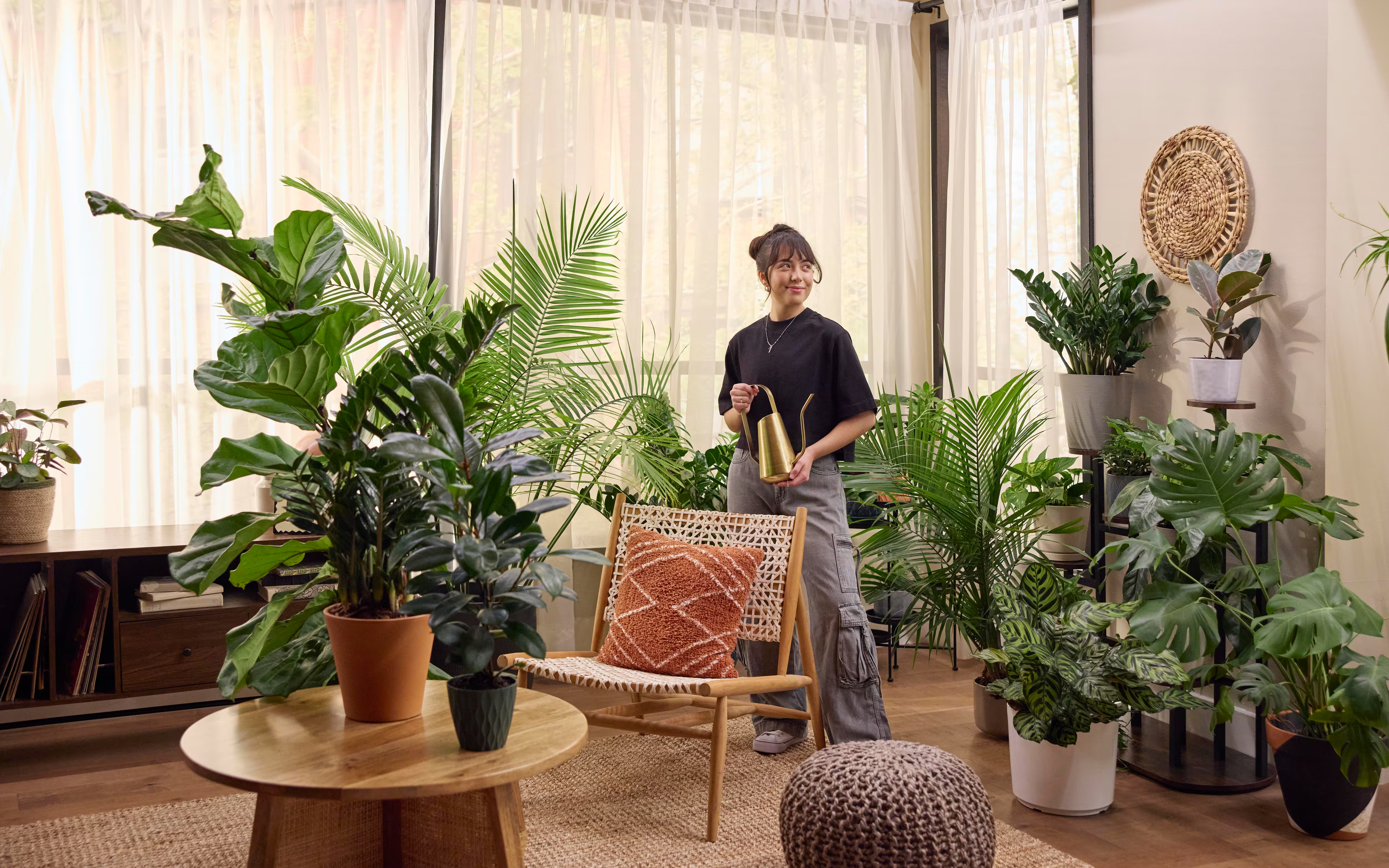
Indoor plants can make an apartment feel warmer, calmer, and more personal. They add natural color without requiring permanent changes to walls, floors, or fixtures. For renters across the United States, plants can also provide an affordable way to decorate small rooms and unused corners.
Choosing indoor plants should involve more than selecting attractive leaves. Apartment light, temperature, available space, pet safety, and maintenance habits all affect plant performance. A plant that grows well beside a bright Florida window may struggle in a darker northern apartment during winter.
The best indoor plant collection is one that matches the renter’s routine. Easy-care plants often provide more enjoyment because they do not require constant attention.
Evaluate Natural Light in Every Room
Light is one of the most important factors in indoor plant care. Renters should observe each room at different times of day before buying plants.
South-facing windows often receive stronger light, while north-facing spaces may remain softer and more shaded. Buildings, balconies, trees, and nearby structures can reduce direct sunlight even when a window appears bright.
Direct light and bright indirect light are not the same. Some plants may develop damaged leaves when placed too close to intense sunlight. Others become weak and stretched when they do not receive enough light.
Useful indoor decorating ideas can help renters treat plants as part of the room design. A plant should be placed where it can grow properly while still improving the appearance of the space.
Choose Low-Maintenance Plants for Busy Schedules
Renters with long workdays or frequent travel may prefer plants that tolerate occasional missed watering.
Snake plants are widely used in apartments because of their upright growth and manageable care needs. Their vertical form can fit beside furniture or in narrow corners.
Pothos plants are also popular because their trailing stems work well on shelves and hanging planters. They can adapt to different indoor conditions, although growth may change with available light.
ZZ plants have thick leaves and a structured appearance. They are often selected for offices and apartments where homeowners want greenery without a demanding routine.
Low maintenance does not mean no maintenance. Every plant still needs suitable light, correct watering, and occasional inspection.
Use Small Plants for Shelves and Desks
Small apartments benefit from plants that use vertical or elevated space. Shelves, desks, kitchen counters, and window ledges can hold compact varieties without reducing walking areas.
Succulents may work in sunny locations when watering is carefully controlled. Many problems occur because they receive too much water or too little light.
Small peperomia varieties offer interesting leaf shapes and can fit into decorative pots. Some compact ferns may also work in rooms with suitable moisture and indirect light.
Renters should avoid placing plants where pots can be knocked over easily. Stable containers and waterproof saucers protect furniture and floors.
Creative apartment plant inspiration can help renters arrange different sizes while keeping rooms organized. Grouping a few plants may create stronger visual impact than spreading many small pots throughout the apartment.
Add Height With Floor Plants
A medium or large floor plant can fill an empty corner and make a room feel more complete. However, renters should consider mature plant size before purchasing.
Rubber plants can develop strong vertical growth and glossy leaves under suitable conditions. Some dracaena varieties also provide height without requiring a large amount of floor space.
Larger plants may need heavier containers for stability. Renters should consider how the plant will be moved during cleaning or relocation.
Protective trays can prevent water damage. Heavy pots should not be dragged across wood or laminate flooring.
Select Plants That Match Watering Habits
Overwatering is one of the most common indoor plant problems. Many renters water according to a weekly schedule without checking soil moisture.
Different plants need different conditions. Some prefer soil to dry partly between watering, while others perform better with more consistent moisture.
The size of the pot, type of soil, indoor temperature, and season can affect how quickly moisture disappears. Plants may need less frequent watering during colder months when growth slows.
Keeping simple plant care notes can help renters track watering patterns. Recording changes in leaf color, growth, and soil moisture may reveal problems before serious damage occurs.
Consider Humidity and Apartment Temperature
Heating and air conditioning can affect indoor plants. Winter heating may create dry air, while some rooms become humid during summer.
Tropical plants may benefit from moderate indoor humidity, but renters should not assume frequent misting solves every issue. Proper watering, airflow, and room conditions remain important.
Plants should be kept away from extreme temperature changes. Cold drafts near doors, strong heating vents, and direct air-conditioning airflow may stress sensitive varieties.
Bathroom plants can work when the room has enough light. Humidity alone cannot replace proper sunlight.
Use Hanging Plants Without Damaging Walls
Hanging plants are useful in apartments because they save floor and surface space. Renters should follow property rules before drilling holes or installing ceiling hooks.
Freestanding plant stands, tension systems, existing curtain rods, or approved removable supports may provide alternatives. Safety is important because wet soil and ceramic pots can become heavy.
Trailing pothos, heartleaf philodendron, and some smaller vines can create attractive hanging displays. Plants should remain accessible for watering and inspection.
A hanging plant placed too high may be forgotten or watered unevenly. Practical placement is more important than appearance alone.
Choose Pet-Safe Plants When Necessary
Renters with cats or dogs should research plant safety before bringing new varieties into the apartment. Some common indoor plants may be harmful when chewed or eaten.
Pet behavior also matters. Curious animals may dig in soil, knock over pots, or pull hanging leaves.
Placing plants on higher shelves does not always prevent access, especially for climbing cats. Renters may need to select safer varieties and use stable containers.
Calm home and lifestyle guidance can help renters create plant displays that support comfort without adding unnecessary risk or maintenance.
Avoid Buying Too Many Plants at Once
A large plant collection can become difficult to manage. New renters may benefit from starting with two or three plants and learning how they respond to the apartment.
Each home has different light, temperature, and humidity conditions. Testing a few varieties provides useful information before more plants are added.
New plants should be inspected for insects, damaged leaves, or overly wet soil. Keeping them separate briefly may help prevent possible problems from spreading to an established collection.
Plants should also have enough space for airflow. Crowded displays may make inspection and cleaning difficult.
Build a Plant Collection Around Daily Life
Indoor plants should improve an apartment rather than create constant pressure. Renters who travel frequently may prefer drought-tolerant varieties. People who enjoy daily care may choose plants with more specific moisture needs.
A simple routine can include checking soil, rotating pots for even growth, removing damaged leaves, and cleaning dust from larger foliage.
Seasonal changes may affect plant placement. A bright window during winter may become too intense during summer. Renters should observe how plants respond and adjust gradually.
Indoor plants can transform an apartment when they are chosen with care. By matching plants to available light, room size, watering habits, temperature, and household needs, renters can create attractive green spaces without permanent renovations. A small, healthy collection often provides more satisfaction than a large group of struggling plants.