
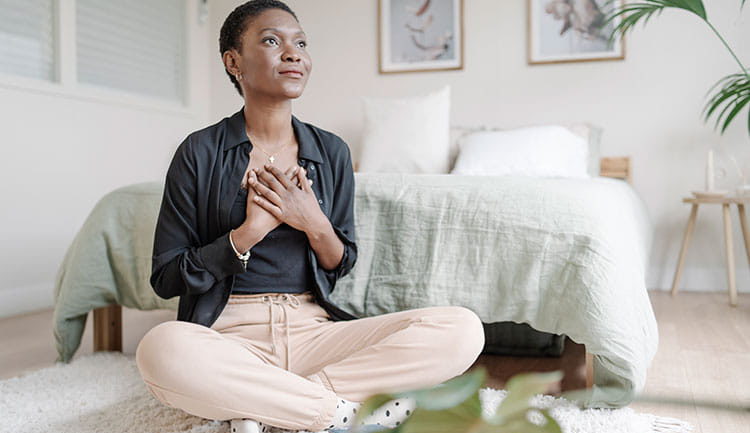
Stress is part of everyday life for many American adults. Work deadlines, family responsibilities, financial concerns, news updates, long commutes, household tasks, and constant digital communication can create a feeling that the mind never gets a break.
Mental wellness does not mean feeling happy every moment or avoiding all pressure. It involves developing habits that support emotional balance, recovery, healthy relationships, and the ability to respond to difficult situations.
Small daily actions may be easier to maintain than major lifestyle changes. A short walk, a better evening routine, a quieter home environment, or a few minutes away from notifications can create useful moments of recovery.
The home often plays an important role in daily stress. People looking for ways to make household routines calmer may explore home wellness and lifestyle ideas for additional inspiration.
Begin the Day Without Immediate Digital Pressure
Many adults check messages, emails, or social media immediately after waking. This can introduce work concerns and outside demands before the day has properly started.
Creating even a short delay may provide a calmer beginning.
Try using the first 10 or 15 minutes for:
- Drinking water
- Opening curtains
- Stretching
- Reviewing the day
- Eating breakfast
- Sitting quietly
The goal is not to avoid technology. It is to prevent the phone from controlling the first moments of the morning.
People with demanding jobs may need to check urgent messages. In that situation, separating important communication from general scrolling can help.
Create Small Breaks During the Workday
Stress often builds gradually. A difficult email, long meeting, traffic delay, and unfinished task may not feel overwhelming individually. Together, they can increase tension.
Short breaks give the mind and body opportunities to reset.
A useful break may include:
- Walking for five minutes
- Looking away from screens
- Stretching the shoulders
- Breathing slowly
- Drinking water
- Speaking with a supportive coworker
Breaks do not need to be long to be useful. The important step is interrupting continuous pressure.
Some people feel guilty when taking breaks. However, working without pause can reduce concentration and increase frustration.
Design a Calmer Home Transition
The period immediately after work can influence the rest of the evening. Adults may carry job stress into family conversations or household responsibilities.
A short transition routine can help create separation between work and personal time.
Examples include:
- Changing clothes
- Taking a short walk
- Sitting quietly for several minutes
- Putting work devices away
- Playing relaxing music
- Preparing a simple drink
Remote workers may need a stronger boundary because they do not have a commute. Closing the office door or storing work equipment can signal that the workday has ended.
Improving household layout may also reduce daily frustration. Ideas for upgrading functional home spaces can help people create clearer areas for work, relaxation, and family activities.
Spend Time Outdoors
Outdoor activity can provide a change in environment and a break from indoor responsibilities.
People do not need access to large parks or hiking trails. A neighborhood walk, time on a porch, gardening, or sitting outside may provide a useful pause.
Outdoor routines can also support regular movement. Walking after dinner may become both a wellness habit and an opportunity for family conversation.
Maintaining a comfortable outdoor area may encourage more frequent use. People interested in improving patios, yards, and entry spaces can find inspiration through home exterior ideas and planning.
Safety and weather should guide outdoor activity. During extreme heat, cold, or poor air conditions, indoor alternatives may be more appropriate.
Reduce Unnecessary Sources of Stress
Not every stressful situation can be avoided. People still need to work, manage bills, care for family members, and handle unexpected problems.
However, some pressure comes from habits that can be changed.
Possible examples include:
- Checking work messages constantly
- Agreeing to too many commitments
- Keeping unnecessary notifications active
- Delaying small tasks until they become urgent
- Comparing personal progress with social media
Reducing one avoidable source of pressure may create more mental space for important responsibilities.
Saying no can also support wellness. A respectful refusal may be healthier than accepting every request and becoming exhausted.
Use Simple Breathing and Grounding Habits
Stress can create physical reactions such as faster breathing, muscle tension, or restlessness.
Slow breathing may help some people pause before reacting.
One simple practice is:
- Sit comfortably.
- Relax the shoulders.
- Breathe in slowly.
- Exhale gently.
- Repeat for several minutes.
The goal is not to force relaxation. It is to focus attention on a steady physical action.
Grounding exercises may also be useful during periods of intense worry. Notice several things you can see, hear, and physically feel. This shifts attention toward the present environment.
These habits are general wellness strategies. They are not replacements for professional mental health care when symptoms are severe, persistent, or disruptive.
Maintain Supportive Relationships
Stress often feels heavier when handled alone. Regular communication with trusted people can provide perspective and emotional support.
Support does not always require long conversations. Sending a message, sharing a meal, taking a walk, or checking in with a friend may strengthen connection.
Adults should also communicate honestly with family members about stress. Silence can sometimes create confusion or conflict.
A simple statement such as “I had a difficult day and need a few quiet minutes” can help others understand what is happening.
Support should be mutual, but no individual should be expected to solve every problem. Professional support may be appropriate when personal relationships are not enough.
Make Household Tasks More Manageable
Clutter, unfinished chores, and disorganized routines can create additional pressure.
Trying to fix the entire home at once may make stress worse. Choose one small area and complete it.
Examples include:
- Clearing a kitchen counter
- Organizing a work desk
- Preparing clothes for tomorrow
- Creating a regular location for keys
- Writing a short household task list
Simple systems reduce repeated decisions.
People seeking practical household guidance can explore home organization and improvement resources when creating routines that support a more comfortable living environment.
Protect Sleep and Physical Health
Mental and physical wellness are closely connected.
Poor sleep can make everyday problems feel harder to manage. Irregular meals, inactivity, dehydration, and excessive caffeine may also influence energy and mood.
Begin with basic habits:
- Maintain a regular sleep schedule.
- Eat balanced meals when possible.
- Move during the day.
- Drink water regularly.
- Take breaks from extended screen use.
These habits are not cures for mental health conditions. They are supportive routines that may improve daily stability.
Know When to Seek Additional Support
Stress becomes more concerning when it continues for long periods or significantly affects work, relationships, sleep, appetite, or daily responsibilities.
Persistent sadness, intense anxiety, feelings of hopelessness, panic, or difficulty functioning deserve professional attention.
Seeking help is not a sign of weakness. Mental health care can include counseling, medical evaluation, support groups, or other appropriate services.
People experiencing immediate danger or thoughts of self-harm should seek urgent local assistance.
Build Mental Wellness Gradually
Trying to change every habit at once can become another source of pressure.
Choose one manageable action:
- Take a short daily walk.
- Turn off unnecessary notifications.
- Create a work shutdown routine.
- Contact a trusted friend.
- Protect a regular bedtime.
Repeat the habit until it feels familiar.
Mental wellness is built through regular care, realistic boundaries, supportive relationships, and attention to personal needs. Difficult days will still happen, but healthy routines can make recovery easier.
Everyday stress does not always require a dramatic solution. Sometimes the most useful changes are quiet and practical: a pause before responding, a few minutes outside, a more organized evening, or an honest conversation with someone you trust.