
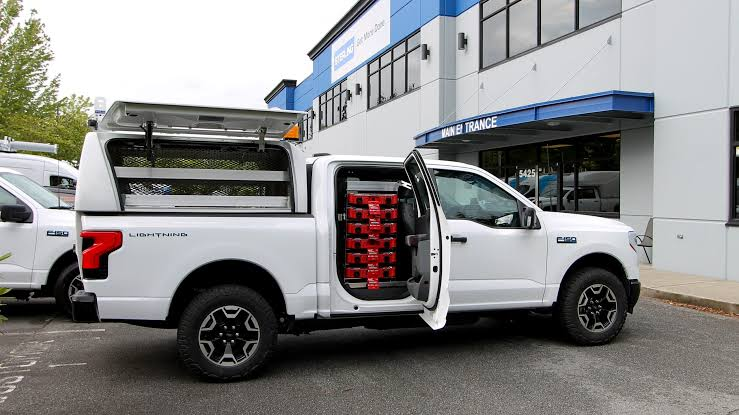
Pickup trucks support many weekend projects across the United States. Home repairs, landscaping, camping, equipment hauling, and outdoor recreation become easier when a truck is organized for the work it performs.
Accessories can improve storage, safety, comfort, and convenience. However, buying equipment without a clear purpose may add unnecessary weight and expense. Truck owners should first consider the jobs they complete most often and choose upgrades that solve specific problems.
Weekend projects are frequently connected with property maintenance. Owners who regularly carry tools or building materials may also benefit from understanding home protection considerations before beginning larger repairs or improvements.
The most useful truck accessories are durable, easy to operate, and suitable for the vehicle’s actual workload.
Install a Secure Truck Bed Toolbox
A truck bed toolbox provides a protected location for hand tools, straps, gloves, small equipment, and emergency supplies.
Choose a toolbox designed for the truck’s bed size. A poorly fitted model may reduce visibility, interfere with bed covers, or limit cargo space.
Aluminum toolboxes are popular because they resist corrosion and remain relatively light. Steel models can provide strength but may add more weight. Plastic storage boxes can work for lighter equipment when maximum security is not required.
Look for weather-resistant seals and strong locking hardware. Water entering the box may damage tools and create rust.
Organize the interior rather than allowing equipment to move freely. Small trays, dividers, or tool bags make frequently used items easier to find.
Avoid storing valuable tools in an unsecured open bed overnight. A quality toolbox can reduce exposure, but owners should still use reasonable security practices.
Add a Bed Cover for Everyday Protection
A truck bed cover helps protect cargo from rain, wind, sunlight, and casual observation. Common options include soft roll-up covers, hard folding covers, retractable systems, and one-piece designs.
Soft covers are often affordable and easy to remove. Hard covers generally provide greater security and may support more demanding use.
Consider how frequently the full bed must remain open. Some covers fold or roll near the cab, while others may require removal for tall cargo.
Check compatibility with toolboxes, bed rails, racks, and other accessories before purchase.
A properly fitted cover may also improve the truck’s appearance and keep loose materials contained. However, every load should still be secured correctly.
Homeowners planning construction, gardening, or improvement projects can find useful inspiration through first-home project ideas while selecting accessories that support regular property work.
Use Quality Tie-Down Equipment
Cargo movement can damage equipment, create road hazards, and affect vehicle control. Every truck owner should keep dependable tie-down equipment available.
Ratchet straps are useful for securing furniture, lumber, equipment, and large containers. Choose straps with appropriate load ratings and inspect them before use.
Replace straps with deep cuts, broken stitching, damaged hooks, or severe weather exposure. Do not assume an old strap remains safe because it worked during a previous trip.
Cam buckle straps may work for lighter cargo that could be damaged by excessive tension. Rope can remain useful, but proper knots and suitable material are necessary.
Use multiple secure attachment points. Heavy items should be positioned carefully to maintain balanced weight distribution.
Loose debris should be contained under an appropriate cargo net or cover. Small objects can leave the truck bed unexpectedly at highway speed.
Improve Bed Access
Climbing into a truck bed can become difficult when carrying tools or working repeatedly throughout the day. Bed steps, bumper steps, and tailgate ladders may improve access.
Choose equipment designed for the specific truck model and expected weight. Installation should not interfere with towing equipment, parking sensors, or exhaust components.
A bed step can be especially useful for workers who frequently load materials by hand. Reducing repeated climbing may lower strain on knees and backs.
Keep stepping surfaces clean. Mud, oil, snow, and wet leaves can create slippery conditions.
Truck owners should avoid stepping on unstable objects or using the tire as an improvised climbing point.
Add Protective Bed Liners
Truck beds experience scratches, dents, moisture, and chemical exposure. A bed liner can help protect the metal surface and make cleanup easier.
Spray-in liners create a fitted protective surface and may provide strong resistance to movement. Drop-in liners are removable and can offer durable coverage, although moisture or debris may collect beneath them.
Bed mats protect the floor while leaving the sides exposed. They can be practical for owners who need cushioning and easier removal.
Consider the materials carried most frequently. Rough building supplies, landscaping tools, and heavy equipment may require stronger protection than light household cargo.
Regularly clean the bed even when a liner is installed. Dirt and trapped moisture can contribute to wear over time.
Property owners seeking practical organization and maintenance ideas may explore home improvement insights when designing more efficient storage routines.
Install Useful Work Lighting
Factory truck bed lighting may not provide enough visibility for nighttime loading or detailed work.
LED bed lights can illuminate tools, cargo, and equipment while using relatively little energy. Position lights where they reduce shadows without shining directly into the user’s eyes.
Weather resistance is important for equipment installed in exposed locations. Wiring should be protected from moisture, sharp edges, and moving parts.
Portable rechargeable work lights offer flexibility and can be used away from the truck. Keep them charged before beginning evening projects.
Avoid depending entirely on a mobile phone flashlight during heavy work. A dedicated light usually provides better coverage and leaves both hands available.
Consider a Truck Bed Rack
A bed rack can create additional carrying space for ladders, lumber, kayaks, pipes, and long materials.
Select a rack with an appropriate weight rating and confirm that the truck can safely carry the planned load.
Adjustable racks may support different types of work. Removable systems can help owners maintain flexibility when the rack is not needed.
Secure long items at several points and use visible markings when required. Cargo extending beyond the truck may be subject to state safety rules.
Check rack bolts and mounting points regularly. Repeated vibration and heavy use can loosen hardware.
Do not exceed the truck’s payload capacity. Accessory weight, passengers, tools, and cargo all contribute to the total load.
Upgrade Floor Protection
Weekend work often brings mud, dust, sawdust, grass, and water into the cabin. Heavy-duty floor liners can protect carpet and simplify cleaning.
Choose liners designed for the exact truck model. Poorly fitted mats may move or interfere with pedals.
Remove liners periodically and clean the floor beneath them. Moisture trapped for long periods may create odors or damage.
Seat covers may also be useful for drivers who work in dirty conditions. Select covers compatible with seat-mounted airbags and other safety equipment.
Keep work gloves, boots, and heavily soiled equipment in designated storage areas when possible.
Prepare a Roadside and Work Kit
Every truck should carry basic emergency equipment. A practical kit may include a flashlight, reflective warning devices, work gloves, a tire pressure gauge, charging cables, basic tools, and first-aid supplies.
Weekend workers may also need hearing protection, safety glasses, dust masks, and protective clothing.
Inspect emergency supplies several times each year. Replace expired items and recharge batteries.
Store equipment where it remains accessible even when the truck bed is full.
Truck owners interested in changing property and lifestyle trends can follow home improvement news and ideas while planning future projects.
Choose Function Before Appearance
Truck accessories should make work safer or more efficient. Decorative upgrades may improve appearance, but functional equipment usually delivers greater long-term value.
Start with cargo security, storage, lighting, bed protection, and safe access. Add specialized equipment only when regular work creates a clear need.
Check installation requirements before purchasing. Some accessories can be installed at home, while others may require professional support.
A well-organized truck reduces wasted time and protects valuable equipment. USA weekend workers can build a practical setup gradually by choosing durable accessories that match real projects rather than buying every available upgrade at once.