
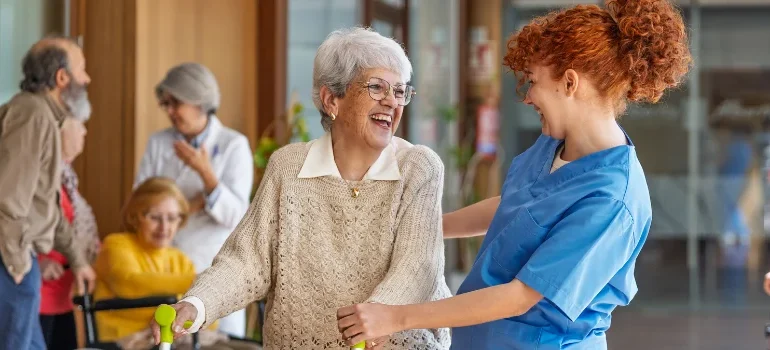
Resident safety depends on more than secure buildings and advanced technology. In nursing homes, the knowledge and preparedness of caregivers play a central role in protecting vulnerable individuals from preventable harm. One of the most serious risks faced by residents with cognitive or physical impairments is elopement, which occurs when a resident leaves the facility without proper supervision or authorization.
While security systems and locked exits provide important safeguards, they cannot replace the judgment and awareness of well-trained staff. Comprehensive education equips caregivers with the skills needed to recognize risks, respond appropriately, and create a safer environment for every resident.
Understanding Why Residents Attempt To Leave?
Effective training begins with helping caregivers understand the reasons behind resident wandering. Individuals living with Alzheimer’s disease, dementia, or other cognitive disorders may become disoriented, believe they need to return home, search for family members, or attempt to continue routines from earlier stages of life.
Recognizing these behaviors allows staff to respond with patience and appropriate interventions rather than viewing wandering as simple noncompliance. Understanding the underlying causes leads to more compassionate and effective care.
Identifying High-Risk Residents Early
Not every nursing home resident has the same likelihood of elopement. Some individuals have a documented history of wandering, while others develop changing behaviors as medical conditions progress.
Staff training teaches caregivers how to identify warning signs during admissions, daily care, and routine observations. Residents who become increasingly restless, repeatedly ask to leave, or frequently approach exits may require additional supervision and updated care plans.
Improving Observation Skills
Continuous observation does not mean watching every resident every second. Instead, it involves learning how to recognize subtle behavioral changes before they develop into dangerous situations.
Properly trained caregivers notice increased pacing, agitation, confusion, or repeated attempts to reach doors. These early indicators allow staff to redirect residents through conversation, activities, or reassurance before wandering occurs.
Strengthening Team Communication
Resident safety depends on effective communication among everyone involved in daily care. Nursing assistants, licensed nurses, therapists, administrators, housekeeping personnel, and reception staff all contribute valuable information about resident behavior.
Training encourages employees to report unusual observations promptly rather than assuming someone else has already noticed them. Consistent communication ensures important information follows residents throughout every shift.
Responding Calmly During Potential Elopement Situations
When a resident begins moving toward exits or attempts to leave the facility, caregivers must respond calmly and professionally. Panic or confrontation can increase confusion and anxiety, making the situation more difficult to manage.
Training programs provide practical techniques for redirecting residents, using reassuring communication, and safely guiding individuals away from unsafe areas while preserving their dignity and emotional well-being.
Understanding Facility Safety Procedures
Every nursing home should establish written protocols for preventing and responding to elopement. Staff members need ongoing education regarding exit monitoring systems, alarm procedures, visitor policies, emergency notifications, and documentation requirements.
Regular reviews ensure employees remain familiar with current policies while adapting to changes in technology, staffing, or resident needs.
Building Confidence Through Practice
Knowledge becomes more effective when combined with hands-on experience. Regular training exercises, scenario-based discussions, and emergency simulations help employees practice decision-making before actual incidents occur.
These exercises strengthen teamwork, improve response times, and increase confidence during real situations. Facilities that invest in continuous learning often develop stronger safety cultures and greater consistency in resident care.
Families seeking additional information about nursing home elopement, resident safety responsibilities, and legal considerations may find educational resources at https://nursinghomelitigator.com/las-vegas-practice-areas/elopement/.
Ongoing Education Supports Long-Term Safety
Resident needs continue to evolve as medical conditions change. For this reason, staff education should never be limited to initial orientation. Refresher courses, updated clinical guidance, and regular safety meetings help caregivers remain informed about current best practices.
Continuous learning also encourages accountability by reinforcing that resident protection is a shared responsibility requiring daily attention.
Conclusion
Staff training is one of the most valuable investments a nursing home can make in resident safety. Well-educated caregivers are better prepared to recognize wandering behaviors, communicate effectively, respond calmly, and follow established prevention procedures before residents are placed at risk. Combined with individualized care planning, strong teamwork, and ongoing education, comprehensive staff training creates a safer environment where vulnerable residents receive the attentive supervision and compassionate care they deserve.